

Electrolysis


Treatments
Start Your Skin PlanSkin Concerns
Return to Skin ConcernsElectrolysis
Treatment Description
Electrolysis is the only method of hair removal recognised by the FDA as capable of achieving truly permanent results. Unlike laser hair removal, which targets pigment and is therefore less effective on light-coloured, grey, blonde, or red hair, electrolysis works on all hair colours and all skin types, making it the most universally inclusive permanent hair removal solution available.
The treatment involves inserting a very fine, sterile probe or needle directly into the individual hair follicle. A small electric current is then delivered to destroy the cells at the base of the follicle, cutting off the blood supply and nutrition to the hair and permanently preventing new growth from developing. When performed by a skilled practitioner, the technique is highly selective and causes no damage to the surrounding tissue.
There are three electrolysis methods available, each using a different mechanism to destroy the follicle:
- Galvanic Electrolysis: Uses a direct current (DC) to produce a chemical reaction within the follicle, generating sodium hydroxide which destroys the hair growth cells. Particularly effective on curved follicles and coarse, stubborn hair.
- Thermolysis / Diathermy / Short-Wave Electrolysis: Uses an alternating current (AC) to generate heat, which destroys the hair follicle. Works quickly, in fractions of a second per hair and is well-suited to finer hairs and larger areas.
- Blend Electrolysis: Combines both galvanic and thermolysis currents to maximise effectiveness. The heat from thermolysis amplifies the chemical reaction of the galvanic current, delivering highly efficient and thorough destruction of the follicle. Versatile across all hair and skin types and widely regarded as the most effective approach for achieving permanent results.
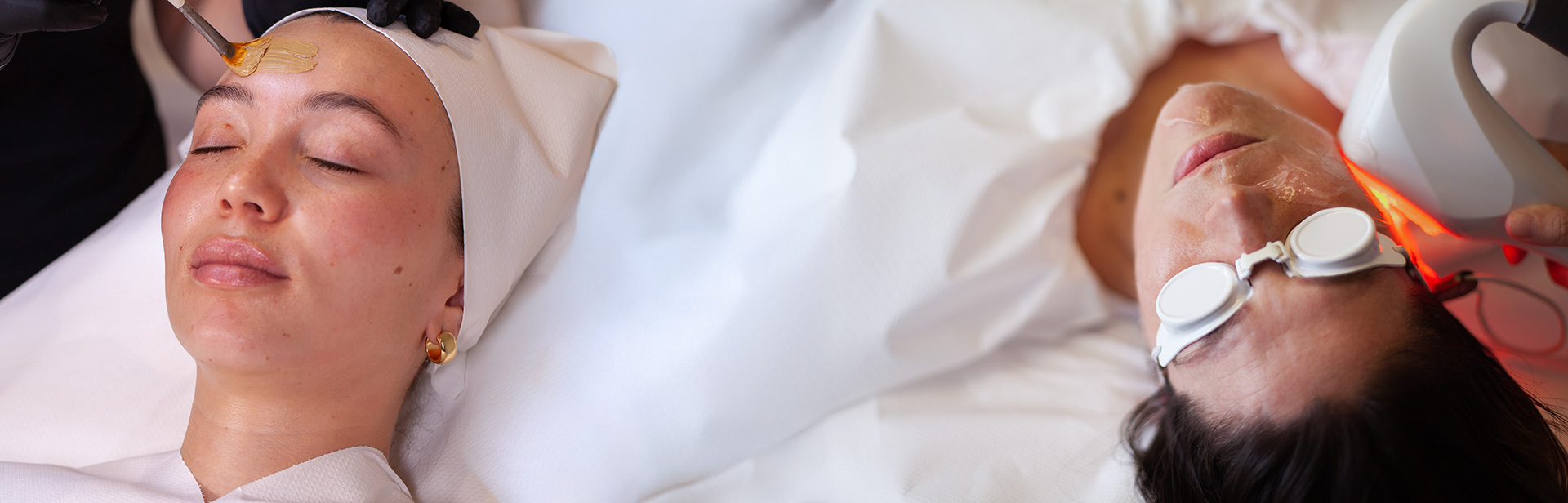
In experienced hands, electrolysis can also be used to improve the appearance of thread veins, and LED light therapy is incorporated into all treatments to aid healing and reduce inflammation.
What to Expect
- Consultation: A thorough consultation is conducted before treatment to assess hair type, skin tone, treatment area, and any relevant medical history. A personalised treatment plan and estimated number of sessions will be discussed.
- Topical Anaesthetic: An anaesthetic cream is applied to the area to be treated prior to the session to help minimise discomfort. You may also take a mild painkiller such as paracetamol beforehand, please avoid ibuprofen.
- The Procedure: The electrologist inserts a very fine sterile probe into each individual hair follicle. You will not feel the probe being inserted. Once in position, a brief electric current is delivered to destroy the cells surrounding the follicle, this is the part that may feel momentarily uncomfortable, like a brief sting or heat sensation for a few seconds per hair.
- Treatment Duration: Sessions range from 30 minutes to over two hours, depending on the area being treated, the density of hair, and individual tolerance. Multiple sessions are always required, as each hair must be treated during its active growing phase (anagen) for permanent destruction to occur.
- Number of Sessions: It is not possible to give a precise estimate for complete clearance, as hair growth is influenced by hormonal and other individual factors. However, each hair must be treated a number of times whilst in the growing stage. Sessions are typically spaced one to four weeks apart, with full clearance usually achieved over a series of six to twelve or more sessions.
- Thread Veins: In experienced hands, electrolysis can also be used to target and reduce the appearance of unwanted thread veins on the face.
Benefits
- Truly Permanent: The only hair removal method recognised by the FDA as permanent. Once a follicle is successfully destroyed, it cannot regenerate.
- Works on All Hair Colours: Unlike laser, electrolysis is effective on hair of any colour (black, brown, blonde, red, grey, and white) making it the only option for those with light or unpigmented hair.
- Suitable for All Skin Types: Safe and effective on all skin tones, including dark and ethnic skin types, with no risk of pigmentation changes associated with laser treatments.
- Treats Any Area: Can be used on virtually any area of the face or body, including sensitive areas such as the upper lip, chin, eyebrows, underarms, bikini line, and legs.
- Highly Precise: Each hair follicle is treated individually, allowing for precision in shaping and targeting specific areas without affecting the surrounding skin.
- Effective for Thread Veins: In skilled hands, electrolysis can also be used to reduce the visible appearance of fine thread veins on the face.
- LED Light Therapy Included: LED light therapy is incorporated into all treatments to support healing, reduce inflammation, and optimise skin recovery post-session.
Preparation Instructions
- Hair Length: Please ensure the hair is long enough to be grasped with a tweezer before your appointment. Do not wax or pluck the area being treated.
- Retinoids & Active Ingredients: Avoid strong retinoid creams and active skincare ingredients (AHAs, BHAs) for at least two days prior to your treatment.
- Pain Management: You may take a mild painkiller such as paracetamol approximately one hour before your session. Please avoid ibuprofen and other NSAIDs.
- Exfoliation: A light exfoliation of the area the night before treatment is encouraged to remove dead skin cells that may be blocking follicles and to improve probe insertion accuracy.
- Hydration: Being well hydrated before your session can help reduce discomfort during treatment.
- Contraindications: Electrolysis is not suitable for patients with a pacemaker, as it involves delivery of an electric current into the body. Please inform your practitioner of any relevant medical conditions or devices.
Aftercare
- ⚠️ Crucial Rule: Do not pick, scratch, or touch the treated area. Do not pluck or wax hairs in the treated area between sessions. You may shave or trim only. Leave any healing creams applied in clinic on the skin overnight following treatment.
- Day of Treatment: Redness and sensitivity are completely normal following electrolysis and will subside. Do not touch the treated area. Leave the healing creams applied by your practitioner on the skin overnight and allow the skin to recover.
- Day After Treatment: Begin applying a saline (salt water) solution to the treated area three times per day to support healing and reduce the risk of infection. Avoid harsh acids, retinoids, and vitamin A until the skin has fully recovered.
- Days 2 and 3: Increase saline solution application to five times per day. Apply a broad-spectrum SPF 50+ every morning to protect the treated skin from sun exposure and pigmentation changes.
- Ongoing Aftercare: Sun Protection: Apply SPF 30 or higher daily throughout your course of treatment. Freshly treated skin is more vulnerable to sun damage and pigmentation.
- Avoid Heat: Do not have hot showers, baths, saunas, or steam rooms for 48 hours following each treatment session.
- Avoid Exercise: Refrain from strenuous exercise for 48 hours post-treatment, as heat and sweat can irritate the treated follicles.
- Active Skincare: Avoid retinoids, AHAs, and BHAs for two to three days following each treatment session.
- No Plucking or Waxing: Do not pluck or wax hairs in the areas you are having electrolysis between sessions, this disrupts the follicle and compromises treatment effectiveness. Shaving or trimming is permitted.
FAQ
Is electrolysis safe?
Is it painful?
Why do I need multiple sessions?
How is electrolysis different from laser hair removal?
Can I have electrolysis if I have a pacemaker?
Can electrolysis treat thread veins?
Ready to start your skin plan?
Book a consultation and we will design a protocol around you.
Start Your Skin Plan