Mesoestetic Lactic Acid 40% Skin Peel

Treatments
Start Your Skin PlanSkin Concerns
Return to Skin ConcernsMesoestetic Lactic Acid 40% Skin Peel
Treatment Description
The Mesoestetic Lactic Acid 40% Skin Peel is a superficial chemical peel specifically formulated for sensitive, dry, and thinning skin, including delicate areas such as the neck, décolleté, and periocular zone that are too fragile for more aggressive resurfacing treatments. Lactic acid is an alpha-hydroxy acid (AHA) derived from fermented milk, and is widely recognised as one of the most skin-compatible exfoliating acids available, highly effective, yet gentle enough for reactive and compromised skin types.
Unlike glycolic acid, which has a smaller molecule and penetrates more aggressively, lactic acid has a larger molecular weight that allows for a gentler, more gradual penetration of the skin, making it ideal for clients who cannot tolerate stronger peels but still wish to achieve meaningful anti-ageing, brightening, and resurfacing results.
The Lactic Acid 40% peel works by breaking the protein bonds between corneocytes (the dead skin cells of the stratum corneum) loosening and clearing the hyperkeratotic build-up that causes dullness, uneven texture, and clogged pores. Simultaneously, it stimulates the production of new collagen and glycosaminoglycans in the dermal matrix, and exerts a natural moisturising effect by attracting water molecules to the stratum corneum, stimulating ceramide synthesis, and reinforcing the skin’s barrier function. Clinical studies confirm that lactic acid elevates ceramide levels in the stratum corneum by up to 38%, providing measurable, clinically significant barrier restoration.
What to Expect
- Consultation: Before treatment, your clinician will assess your skin type, sensitivities, and concerns to confirm the most appropriate protocol and application time for your individual skin.
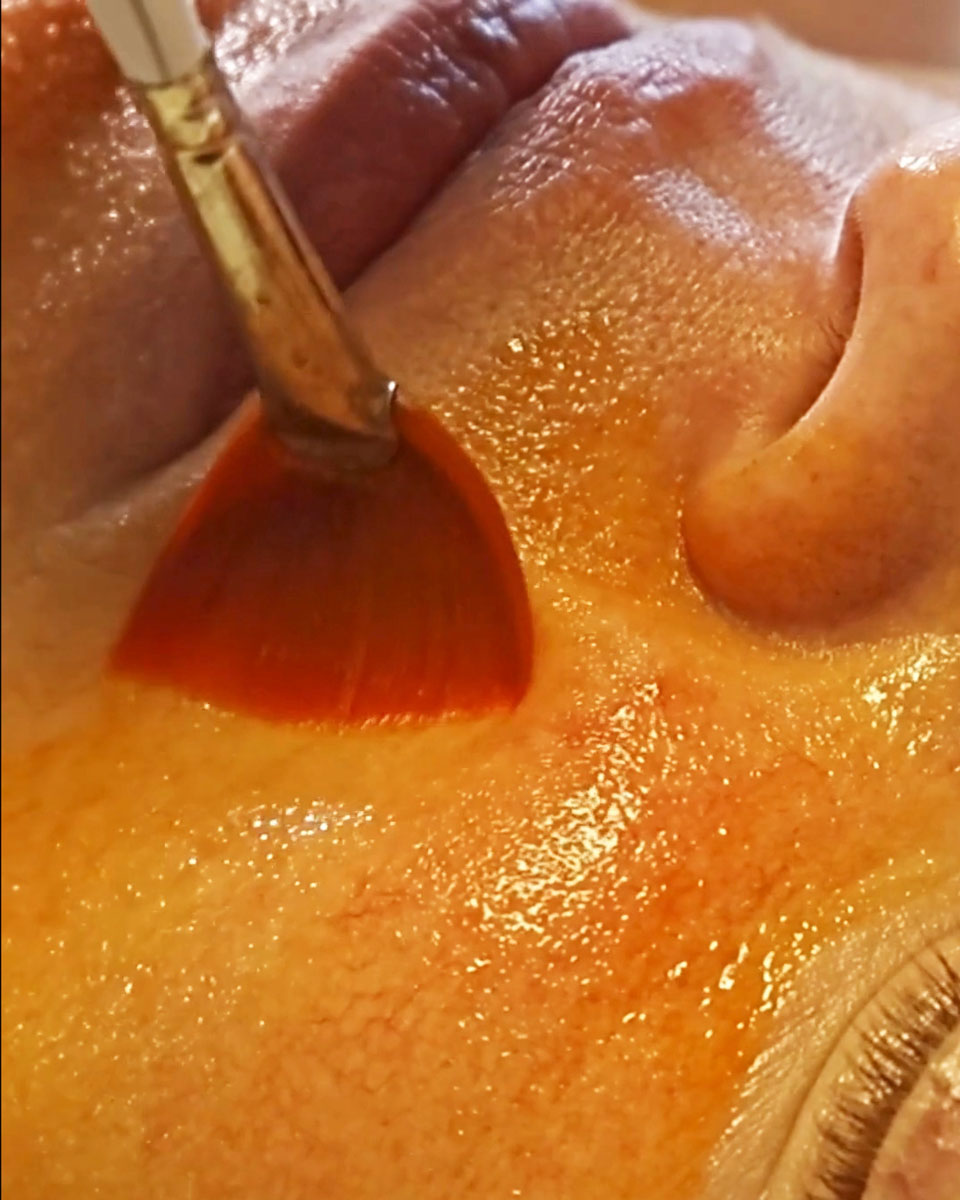
- The Procedure: The skin is gently cleansed to remove surface oils and residue. The lactic acid gel is then carefully applied to the treatment area. Due to lactic acid’s excellent skin tolerability, the sensation during application is typically very mild, most clients experience only a gentle tingling or slight warmth, if anything at all. A neutralising spray is applied to complete the session, followed by a restorative post-peel treatment.
- Triple Action: The Lactic Acid 40% peel delivers three simultaneous benefits: exfoliation (clearing the hyperkeratotic stratum corneum and accelerating cell turnover); collagen and glycosaminoglycan stimulation (rebuilding the dermal matrix for firmer, plumper skin); and deep moisturisation (attracting water to the skin, boosting ceramide synthesis, and restoring barrier function).
- Couperose: By improving the skin’s barrier function and reducing the chronic low-grade inflammation associated with barrier compromise, the lactic acid peel can help reduce the diffuse redness and reactive vessel sensitivity characteristic of couperose skin.
- Stretch Marks: Lactic acid stimulates new collagen and glycosaminoglycan production in the dermal matrix, helping to improve the texture, appearance, and suppleness of stretch marks over a course of treatments.
- Neck & Décolleté: The high skin tolerance of lactic acid makes this peel particularly suitable for the neck and décolleté, areas often showing signs of ageing and photoageing but that are too sensitive for harsher resurfacing treatments.
- Treatment Course: A course of four to six sessions spaced two to three weeks apart is recommended for optimal cumulative results.
Benefits
- Gentle Resurfacing for Sensitive Skin: The larger molecular size of lactic acid compared to glycolic acid provides a gentler, more gradual penetration, making it the preferred AHA for sensitive, dry, reactive, and thinning skin types.
- Stimulates New Collagen & Glycosaminoglycans: Directly triggers fibroblasts to produce new collagen and glycosaminoglycans (the moisture-retaining molecules of the dermal matrix), improving skin firmness, plumpness, and elasticity.
- Deep Moisturisation & Barrier Restoration: Attracts water molecules to the stratum corneum, stimulates ceramide synthesis, and reinforces the skin’s natural barrier function, delivering measurable hydration alongside resurfacing. Clinical studies show a 38% increase in ceramide levels following lactic acid treatment.
- Improves Couperose & Skin Redness: Reduces diffuse facial redness associated with couperose by calming reactive vessels and strengthening the compromised skin barrier that drives chronic inflammation.
- Treats Grade II Skin Ageing: Indicated for Grade II photoageing (expression lines, superficial wrinkles, and early loss of skin firmness) delivering meaningful anti-ageing results without the downtime or sensitivity of stronger peels.
- Improves Stretch Marks: Stimulates new collagen and dermal matrix production to improve the texture, colour, and suppleness of stretch marks over a course of treatments.
- Safe for Delicate Areas: Highly tolerated by the skin, safe for use on the neck, décolleté, periocular area, and other sensitive zones where more aggressive peels cannot be used.
- Suitable for All Skin Types Including Ethnic Skin: The gentle tolerability profile and barrier-supportive action make it appropriate for a wide range of skin types and tones, including ethnic and darker skin, where aggressive exfoliation carries a higher risk of post-inflammatory hyperpigmentation.
Preparation Instructions
- Night Before Treatment: Avoid using vitamin A (retinol) products on the evening before your appointment.
- Active Skincare: Discontinue retinoids, AHAs, BHAs, and active exfoliating skincare ingredients for at least five to seven days before treatment.
- Sun Exposure: Avoid prolonged sun exposure and tanning for at least two weeks prior to your peel.
- Sensitive Skin: Inform your clinician if you have particularly reactive or sensitive skin, active rosacea, eczema, or barrier conditions.
- Arrive Fresh: Come to your appointment with clean skin, free of makeup and skincare products in the areas to be treated.
- Contraindications: Not recommended during pregnancy, for skin with active infections or open wounds in the treatment area, or immediately following recent sunburn.
Aftercare
- ⚠️ Crucial Rule: Do not wash your skin on the evening of treatment, a special restorative treatment has been left on overnight. Apply SPF every morning without exception following your peel.
- Night of Treatment: A special restorative treatment has been applied and must remain on the skin overnight, do not wash your face or apply any additional products this evening.
- Day After Treatment: Gently cleanse the post-peel treatment off using a mild, fragrance-free cleanser and a soft cloth. Use only gentle, hydrating products for the next few days, avoid anything active or exfoliating. Apply your SPF.
- Day 2: Some light flaking, tightness, or mild dryness is common as the skin renews itself; other patients simply notice a healthy, luminous glow with no visible peeling. Either way, the skin is undergoing cellular renewal. Do not pick at any flaking skin.
- Day 3: A daily collagen supplement taken during your treatment programme supports healing, skin repair, and long-term collagen building.
- Day 4: You may now reintroduce your active products this evening. Following the personalised medical homecare programme prescribed by your practitioner is essential.
- Ongoing Aftercare: Apply a broad-spectrum SPF 30 or higher every morning throughout the treatment programme and beyond. Avoid retinoids, AHAs, BHAs, and other active exfoliating ingredients for three to four days post-treatment. Keep the skin well moisturised following treatment.
FAQ
How is lactic acid different from glycolic acid?
What is couperose and can this peel help?
Is it safe for the neck and décolleté?
Will it help with stretch marks?
Is it suitable for sensitive or reactive skin?
Will my skin peel?
How many sessions will I need?
Ready to start your skin plan?
Book a consultation and we will design a protocol around you.
Start Your Skin Plan