

Cryotherapy

Treatments
Start Your Skin PlanSkin Concerns
Return to Skin ConcernsCryotherapy
Treatment Description
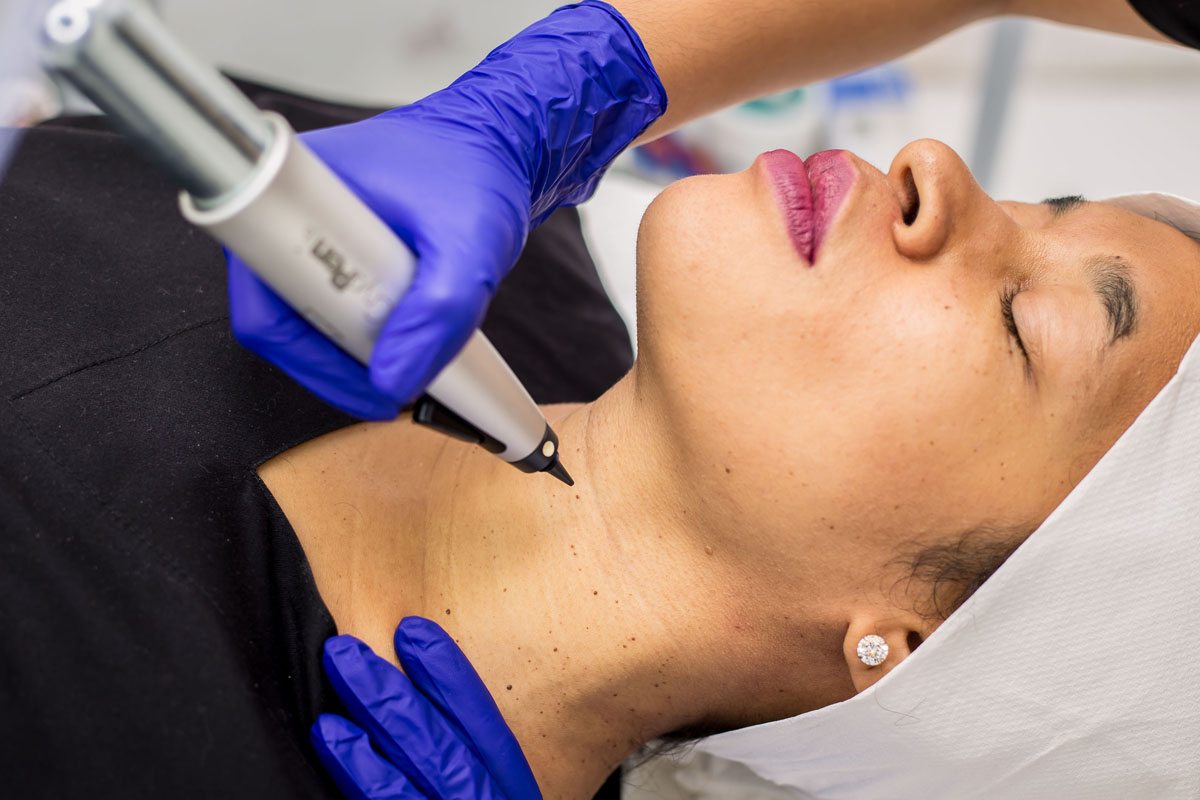
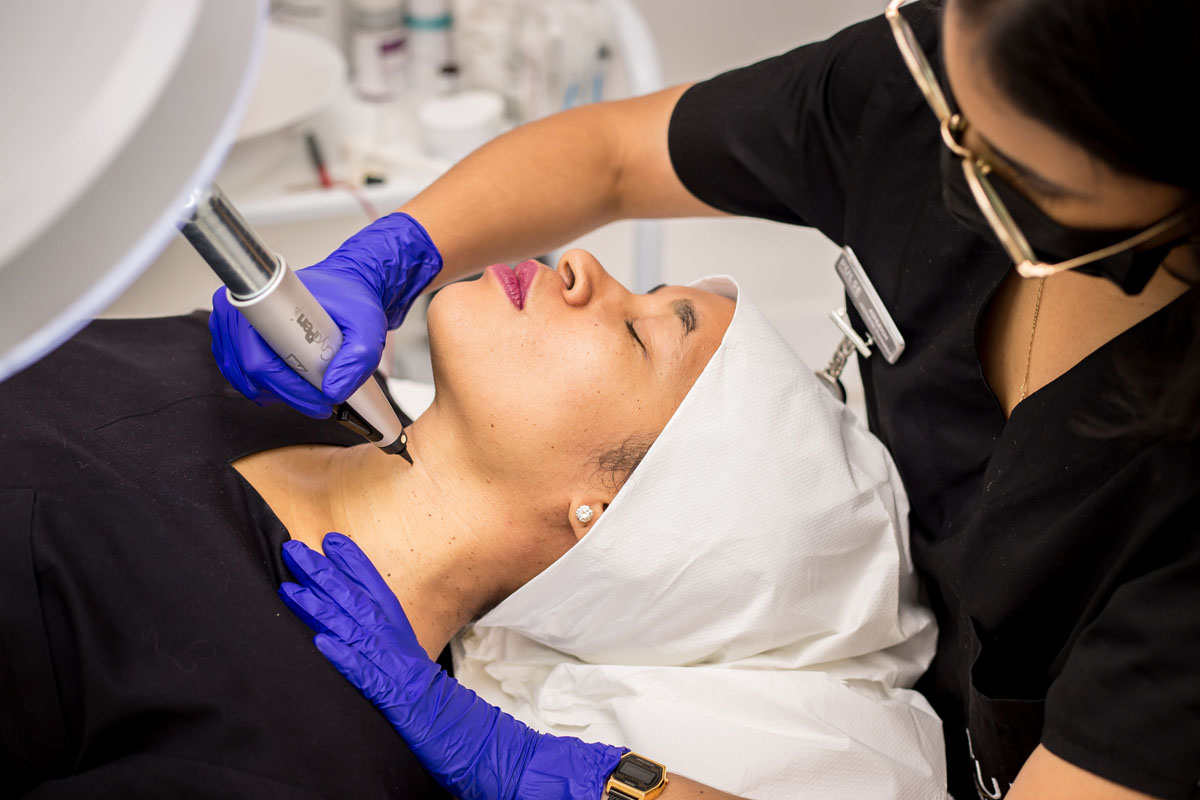
Cryotherapy is a clinically proven, reference treatment for the removal of benign skin lesions and imperfections. Using the innovative CryoPen device, a fine, precise jet of CO2 is emitted under high pressure directly onto the target lesion, freezing the intercellular fluid and destroying the cell structure of the unwanted tissue. Because the treatment is highly targeted, there is no collateral damage to the healthy surrounding skin.
The CryoPen is both CE and FDA registered, making it one of the most trusted and widely used devices for clinical cryotherapy. It is suitable for use on the face and body and can treat a wide range of lesions quickly, precisely, and with minimal discomfort, making it an excellent solution for removing unsightly skin tags, warts, age spots, and pigmented lesions for a cleaner, more even skin finish.
What to Expect
- Consultation: Before treatment, your clinician will examine the lesion, review your medical history, and confirm that cryotherapy is the appropriate treatment. Any suspicious or unusual lesions will be referred for further assessment before proceeding.
- The Procedure: No anaesthesia is required, the extreme cold produced by the CO2 acts as its own anaesthetic, making the procedure very tolerable. The CryoPen applicator is held close to the skin and the CO2 gas is directed onto the lesion using precise circular movements. Each freeze cycle lasts from two to ten seconds per lesion, depending on its size and depth.
- Freeze-Thaw Cycles: Generally, two short freeze-thaw cycles are performed per lesion. The treated area turns white as it freezes, then flushes red as it thaws, this is completely normal. A small weal or raised area may form shortly after treatment.
- Treatment Time: Procedures are extremely quick. Each individual lesion takes between two and ten seconds, making it possible to treat multiple lesions in a single short session.
- Healing Process: Following treatment, the destroyed tissue acts as a natural protective cover for the new skin forming beneath. Over the course of approximately 14 days, a crust or scab forms and naturally falls away to reveal fresh, healthy skin. Skin tags typically turn dark at the base and drop off within one to six weeks. Larger lesions may require a follow-up treatment.
- Blistering: Occasionally, a small blister may form at the treatment site two to four hours after freezing and may persist for three to five days before forming a scab. This is a normal part of the healing response and should not be broken or interfered with.
Benefits
- Precise & Targeted: The CryoPen emits a fine, controlled jet of CO2 that treats only the target lesion, no damage to healthy surrounding tissue.
- Fast Treatment: Each lesion is treated in seconds, making it possible to address multiple imperfections in a single, brief appointment.
- No Anaesthesia Required: The CO2 itself produces a numbing effect during treatment, most patients experience only a brief stinging or pressure sensation.
- Minimal Downtime: Cryotherapy is a low-risk, outpatient procedure. Most patients return to normal activities immediately after treatment.
- Safe & Clinically Proven: The CryoPen is CE and FDA registered. Cryotherapy is a well-established, internationally recognised treatment for benign skin lesion removal.
- Effective on a Wide Range of Lesions: Treats skin tags, warts, verrucae, age spots, solar lentigo, milia, seborrhoeic keratoses, cherry angiomas, and more in a single device.
- Suitable for Face & Body: Can be used to treat lesions on delicate areas of the face as well as the body, with precision that minimises risk to cosmetically important skin.
Preparation Instructions
- Prior to Treatment: No specific preparation is required for most lesions. Arrive with clean skin, free of makeup, lotion, or powder in the area to be treated.
- Warts & Verrucae: If treating warts or verrucae, your clinician may advise soaking the area and filing down the thickened skin before your appointment to improve treatment penetration.
- Medications: Inform your clinician of any blood-thinning medications or immunosuppressants you are taking, as these may affect healing.
- Contraindications: Cryotherapy is not recommended for patients with cold intolerance, Raynaud’s disease, cryoglobulinaemia, or those who are pregnant. Inform your clinician of any relevant conditions at consultation.
- Sun Exposure: Avoid prolonged sun exposure to the treatment area in the days leading up to your appointment.
Aftercare
- ⚠️ Crucial Rule: Do not pick, scratch, or attempt to remove any crust, scab, or blister that forms following treatment. Allow the lesion to shed naturally over 14 days. Interfering with the healing process can cause scarring or infection.
- Day 1 (Evening of Treatment): The treated area may appear red, slightly raised, or wealed, this is a normal inflammatory response. Keep the area clean and do not apply any makeup, creams, or active skincare products to the treated site. If a blister forms, leave it intact.
- Day 2: Some redness and mild swelling may persist. Gently cleanse the area with a fragrance-free soap and water. Apply a small amount of Vaseline or Aquaphor to keep the area moist and support healing. Do not apply pressure to or rub the treated lesion.
- Days 3 to 14: A crust or scab will form over the treated lesion, this is the destroyed tissue acting as a natural protective cover for the new skin forming underneath. Keep the area moisturised and protected. Allow the crust to fall away naturally; do not force it. Skin tags will typically darken at the base and detach on their own within one to six weeks.
- After the Crust Falls Away: Once the crust has naturally shed, the new skin beneath will be fresh and sensitive. Protect the area from sun exposure immediately, apply a broad-spectrum SPF daily. Avoid direct sun on the newly formed skin until it has fully matured.
- Ongoing Care: If any residual lesion remains after healing, a follow-up treatment session can be scheduled. Larger or deeper lesions (such as thick warts) may require two or more sessions spaced at least four weeks apart for complete clearance.
FAQ
Is it safe?
Will it be painful?
How long does the treatment take?
How many treatments will I need?
How long does healing take?
Will it leave a scar?
Can I have multiple lesions treated at the same time?
Ready to start your skin plan?
Book a consultation and we will design a protocol around you.
Start Your Skin Plan


